
Restaurants
Updating Menu Prices Without the Drama
Founder of transfactor.dev and SafestMenu, building software for restaurants he actually eats at.
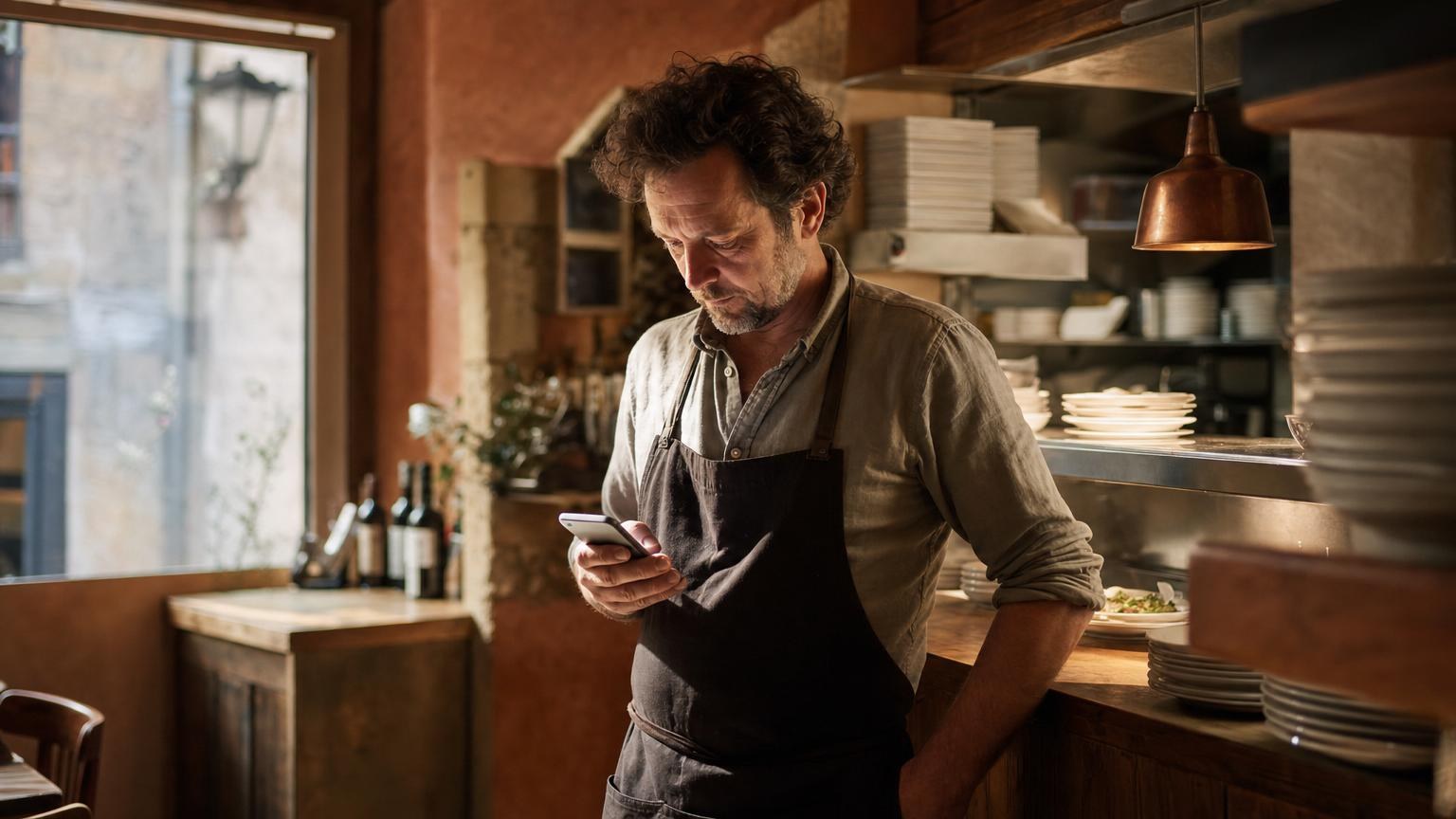
Last month a supplier I know raised the price of sunflower oil twice in six weeks. The owner who told me about it didn't touch his menu prices either time. "I'll deal with it at the next reprint," he said, like the reprint was a season, not a decision he could make from his phone in thirty seconds.
By the time the reprint actually happened, he'd absorbed months of thinner margins on half his fried dishes. That's not laziness, it's a reasonable response to a genuinely annoying task. Updating menu prices on paper means a print shop or a stubborn office printer, lamination, and then walking the room swapping pages while guests watch.
Why owners postpone updating menu prices
Ask any owner why the specials are still priced like it's January and you'll hear some version of the same thing: it's not worth the hassle for fifty cents. One ingredient goes up a little, then another, then a third. None of them feels big enough on its own to justify a reprint, so they all just sit there, quietly eating into the margin.
The cost isn't the print run, it's the accumulation. A dish that cost you €4.20 to make in spring can cost €4.80 by autumn, and if the menu still says the spring price, you're not running a restaurant anymore, you're running a slow leak. Most owners I've talked to can name the exact dishes that haven't had a real price review in over a year.
The bottom line: the delay doesn't save you the hassle of a price change. It just moves the cost from "an update" to "a loss you didn't notice happening."
Small and frequent beats rare and painful
Here's what surprised me once I started paying attention. Owners who update prices often, in small steps, get almost no guest pushback. Owners who wait a year and then move everything up at once get complaints, and sometimes a visibly annoyed regular.
- Small and frequent: a coffee goes from €2.80 to €2.90. Nobody notices, nobody comments, your margin stays honest.
- Rare and big: a burger jumps from €11 to €14 in one reprint. Regulars notice immediately, and some say so out loud, at the table, in front of other guests.
A restaurant menu pricing strategy built on small, regular adjustments tracks reality. One built on rare, painful jumps tracks how long it's been since you last dealt with the printer. Guests forgive the first kind without a second thought. The second kind reads as a decision, and decisions invite opinions.
The guest-facing part, done without drama
Paper actually makes this worse, not just slower. A crossed-out price with a new one written above it looks like a confession, and it invites the guest to wonder what else changed. Even a clean reprint can feel like sticker shock if the jump is big enough to notice.
A digital menu skips all of that. There's no old price to cross out, because the guest never saw one. They scan the code, and the current price is just... the price, with no history and no markup.
It's one of the reasons I built SafestMenu the way I did: guests scan a QR code on the table, no app to install, and the menu opens right in their phone's browser showing exactly what's true right now. If you're setting one up for the first time, QR code menu best practices covers the layout mistakes that make guests distrust a menu even when the prices are perfectly honest.
How to actually update your restaurant menu
If you're doing this on SafestMenu, the whole thing takes less time than reading this paragraph:
- Open the app on your phone, at the pass or wherever you're standing.
- Tap the dish whose cost just moved.
- Change the number.
- Save it. The new price is live for the next guest who scans the code, in every one of the six languages your menu supports.
No print shop, no lamination, no walking the room. That's the idea behind why paper menus quietly cost restaurants money: the friction, not the ink, is what's expensive.
A menu that keeps up with your kitchen
I'm not saying you need to touch prices every day, most kitchens don't move that fast. But when your olive oil bill jumps, you shouldn't have to weigh "update the price" against "deal with a reprint." Those should never have been the same decision.
If you want to see how little friction there actually is, your first menu, five dishes, is free, no card needed. Build it at app.safestmenu.com and change a price the next time a supplier's invoice surprises you.