
Restaurants
Why Paper Menus Quietly Cost Restaurants Money
Founder of transfactor.dev and SafestMenu, building software for restaurants he actually eats at.
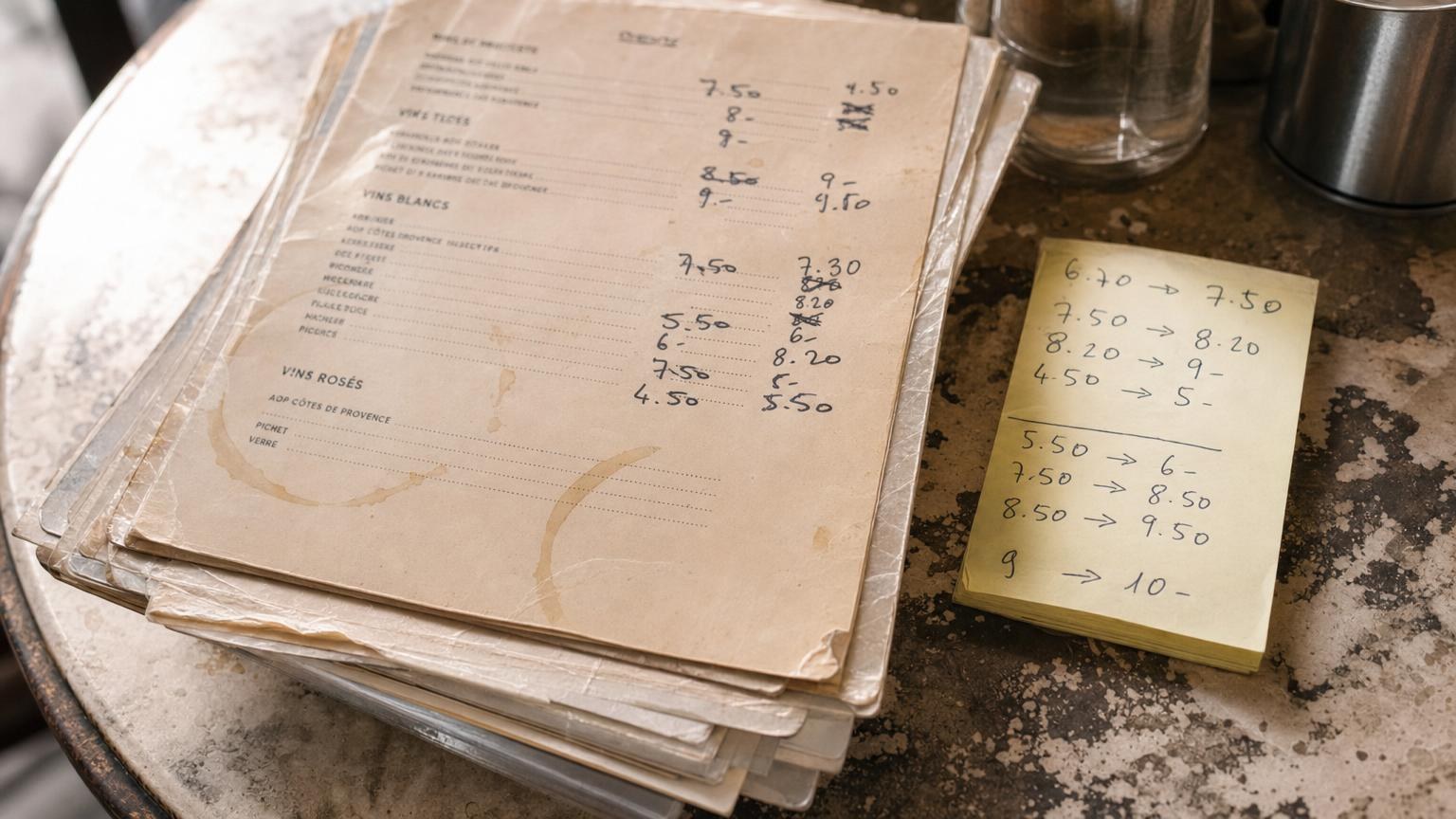
I ate at a lot of restaurants before I wrote a single line of code for SafestMenu, and I started noticing something. Nearly every menu I picked up had a small flaw: a crossed-out price, a dish that wasn't on the specials board anymore, a laminated corner peeling off after years of hands and elbows. Nobody thought a €0.50 price change was worth a full reprint. So the menu just drifted, a little more out of date every week.
That drift is the real cost of paper. It's not the printing bill itself, though that adds up too. It's everything printing quietly drags along with it.
The reprint you don't see coming
A supplier raises the price of olive oil. Fish comes in at a different weight this week. You add a dish your kitchen is proud of. Each of these is a five-minute decision at the pass - and then a much longer chain of events on paper: someone updates a document, sends it to a print shop or fires up the office printer, laminates it if they're careful, and physically swaps out every copy on every table.
Most owners I've talked to don't do that chain for small changes. They write the new price on a sticky note behind the bar and tell the staff to mention it out loud. That works for a week. Then the sticky note falls off, a new server starts, and a guest orders at the old price because that's what the menu still says. Now you're either eating the difference or having an awkward conversation at the table.
What a menu change actually costs
Add it up over a year: a few reprints, a few laminating runs, the staff time spent explaining "actually, that's now €14," and the small discounts you quietly give guests because arguing over fifty cents isn't worth it. None of this shows up as one clean invoice. It shows up as a dozen small leaks, and small leaks are the hardest kind to notice, let alone fix.
There's also a cost I didn't expect until I asked kitchen staff directly: the menu you can't sell from. A seasonal dish that's selling well this month has no space on a printed page designed back in January. You either leave it off, or you print a paper insert that looks like an afterthought - because it is one.
The stains, the smells, the germs
Then there's the physical object itself. A laminated menu gets picked up by every guest at a table, set down next to plates, wiped with whatever napkin is closest, and handed to the next table an hour later. It's rarely cleaned between uses - who has time for that during service? I don't say this to be dramatic. It's just what happens to any shared surface that passes through hundreds of hands a week.
Guests notice, even when they don't say anything. A sticky menu, a torn corner, a faint stain from three services ago - it's a small thing, but it's the first thing a guest touches before they've even ordered. First impressions in a restaurant start earlier than most owners think.
A menu that updates itself
This is the part that convinced me to build SafestMenu instead of just complaining about it. If your menu lives on a phone instead of a laminated sheet, none of the above happens. You change a price from your own phone, at the pass, in the time it takes to type it - and every guest scanning the code from that second on sees the update. No print run. No swapping tables. No sticky notes.
Guests scan a QR code on the table, the menu opens in their own browser, and they read it on a screen they already trust and already keep clean themselves. Nothing to install, nothing to touch that a hundred other hands touched first. And because it's just a webpage, you can add a dish, mark an allergen, or pull something that's sold out, all from your phone, mid-service if you need to.
Free to try, no reason not to
I'm not going to pretend paper menus disappear overnight, or that every restaurant needs to switch tomorrow. But the math is simple enough that it's worth five minutes of your time to check. Your first menu, five dishes, is free - no card required. You can build it at app.safestmenu.com and see whether it saves you what I think it will.
Paper menus aren't expensive because printing is expensive. They're expensive because they can't keep up with a kitchen that changes every week. A menu that updates as fast as your prices do isn't a luxury anymore. It's just less work.